Fcproceduresdentalimplants

Foothill Center for Dental Implants and Oral Surgery is a medical/dental practice offering patients advanced solutions to oral health issues, including those that require wisdom teeth extraction and dental implants. Pasadena residents can expect the highest level of care and treatment. Our commitment to our patients’ wellbeing has been shown over the 70 years that we have been serving Southern California (Previously Lytle, Tate, & Stamper).


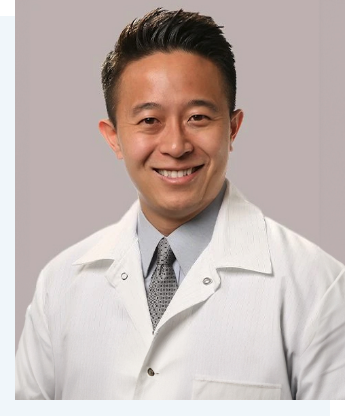
Meet Dr. Christopher Chan


What Are Dental Implants?

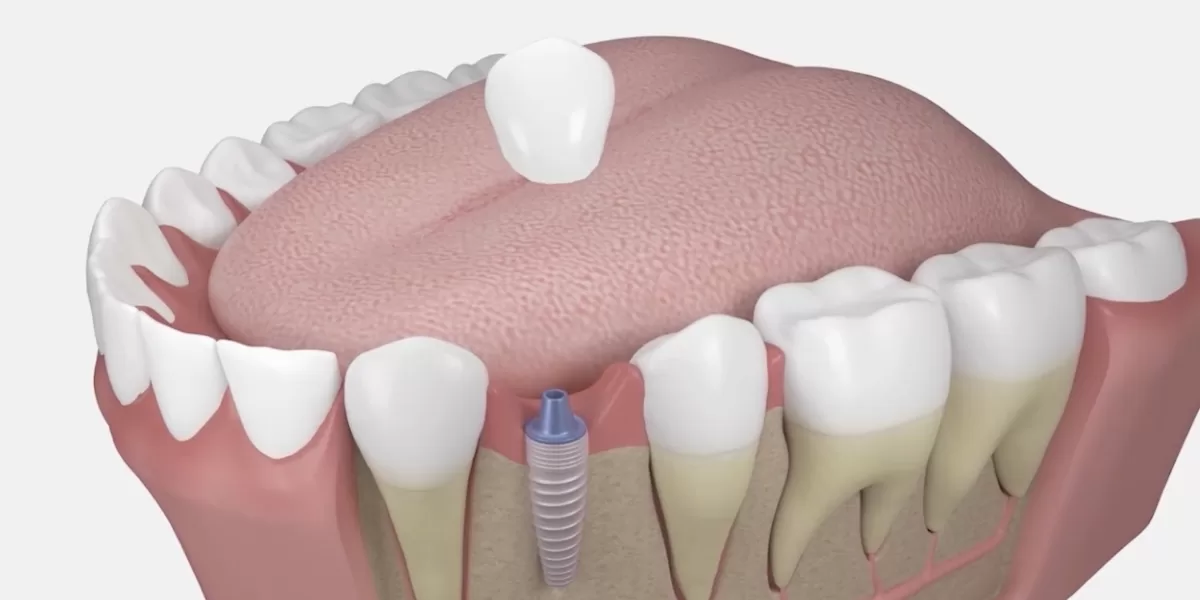
A dental implant serves as a substitute tooth root, connecting to the existing bone and creating a strong foundation for a replacement tooth. Dr. Chan recommends dental implants because the replacement teeth look and act like natural teeth because they are made from safe and durable materials, and because they offer advantages over other methods of tooth replacement.

For example:

  • Treatments using bridges, partials, and dentures do not preserve bone.
  • Dental implants provide Pasadena patients with a long-lasting solution, where other methods may need replacing over the years.
  • Dental implants do not weaken the health of the other teeth in the patient’s mouth. Procedures such as bridges require cutting down adjacent teeth; partial dentures are hooked onto other teeth in the mouth, loosening them over time.
Why Replace Missing Teeth with Dental Implants in Pasadena?

When a patient has concerns related to missing teeth, our professionals may discuss resolving the issues using dental implants. Pasadena patients who have gaps in their teeth may face a variety of problems:

  • Chewing. Tooth loss can complicate a person’s ability to grind up food quickly and comfortably. For some people, lack of teeth can limit their ability to eat certain types of foods at all.
  • Smiling. It is one of the most universal gestures, and yet some people feel uncomfortable sharing a smile because of their missing teeth. Missing teeth, especially when they occur closer to the front of the mouth, can be difficult to hide without dental implants.
  • Facial structure. The overall aesthetic impression of a person’s face can be greatly impacted by teeth missing from their mouth. This can lead to sagging or collapsing around the lower one-third of a person’s face.

These are only visible symptoms of missing teeth, however. When Dr. Chan recommends dental implants to Pasadena patients, he is trying to address concerns that are less obvious but just as significant. For example, in the long-term, gaps in a person’s mouth can lead to bone resorption: a process in which the bone that previously supported a tooth melts away. Bone resorption can give the unattractive impression that the bone and gums are collapsing at the space where the gap occurs.


Dental Implants FAQs

Unlike bridges, partials, and dentures, which may require replacement several times throughout your life, dental implants are designed as a long-term solution to tooth replacement. Because dental implants sit inside your jawbone instead of merely resting on top of it, they prevent the resorption (deterioration) of bone normally associated with tooth loss or removal and preserve your natural smile.

Another benefit of dental implants over other methods is that they are not reliant on healthy neighboring teeth for support. Where bridges and partials require the filing and placement of hooks on remaining teeth, dental implants exist as individual entities in your mouth – each one with a strong foundation in your jaw – providing superior chewing power and aesthetic appearance without compromising the long-term health of adjacent teeth.

Because dental implants are the only treatment option for tooth replacement that prevents bone resorption, which can actually alter the structure of your jaw and cause your smile to look unnatural, they provide superior long-term esthetics and allow for strong, natural looking, feeling, and functioning replacement teeth.

Generally speaking, just about everyone who has lost one or more teeth is an excellent candidate for dental implants. There are a few medical conditions, such as uncontrolled diabetes, that can complicate our ability to successfully execute dental implant treatment, but the main factor in eligibility is whether you have a sufficient quantity of healthy bone available in which to place the implants.

Significant bone loss can create difficulty and even preclude a patient from dental implant eligibility, however, additional procedures that can add or create new bone can provide a foundation for success even in these cases. If you’re interested in dental implants, don’t count yourself out – talk to your oral surgeon to see what can be done.

Dental implants are designed with permanence in mind. Documented clinical studies show that the long-term success rate of dental implants is over 95%. By contrast, the same studies have shown the alternative treatments of tooth-supported bridges and dentures/partials to last only 7-10 years and 5 years, respectively. That said, you can do a number of things to help increase the longevity of your dental implants, such as regular home care and maintenance visits to your dentist or dental specialist.

With a documented success rate exceeding 95%, dental implant treatment is one of the most successful procedures in the medical-dental field. In very rare instances, existing bone may not fully bond to the implants, however, in cases where this has occurred and new implants have been subsequently placed, the success rate is even higher.

In some cases, patients can qualify for Immediate Function procedures. In these instances, replacement teeth can be received on the very same day as the dental implants are placed, though a significant amount of treatment planning occurs prior to then.

In most patients, treatment times typically range from several weeks to several months. The length of time all depends on the quality of bone the patient possesses, into which the implants will be placed. If bone loss has occurred, necessitating bone augmentation procedures, six to nine months are generally required for total treatment time.

What is necessary for successful home care of dental implants varies based on the type of replacement teeth in use:

  • Single implant supported crowns are cleaned like natural teeth via regular brushing and flossing.
  • Implant supported bridges replacing several teeth are cleaned just like tooth supported bridges by brushing normally and flossing with a floss-threader.
  • For individuals who have had all of their teeth replaced, care can be somewhat more complicated, often requiring special brushes and floss.
  • Over-dentures require the cleaning of the implant attachments as well as the over-dentures themselves.
  • Permanently fixed implant supported replacement teeth can be cleaned the same as all other bridges.

No matter your case, you should see your dentist and hygienist at least twice yearly. It’s also recommended that you see your surgical specialist at least once each year. Combined with proper home care, these visits are essential to ensuring long-term success for your dental implants.

When considering dental implant treatment, it’s important for patients to acknowledge that, while the initial cost of dental implants may be more expensive than other methods in some cases, because of the longevity of dental implants, the cost of treatment over a lifetime is often less than that of bridges and dentures, which require replacement every 5-10 years. You should also know that, because dental implants serve to protect against bone loss and preserve the integrity of facial structures, an investment in dental implants is not just a solution to missing teeth – it’s an investment in your long-term health.

A common misconception among patients is that implants carry a set cost per tooth being replaced. In actuality, dental implant fees are calculated based on many factors including:

  • The number of teeth being replaced
  • The type of implants being used
  • The amount of time anticipated to complete treatment
  • The cost of the implants themselves and other required materials
  • Dental laboratory fees

In specific cases where patients are missing all of their teeth and are experiencing medical complications as a result, medical insurance may cover dental implants. There are also cases where, due to work related injuries or other accidents, you may have coverage.

Coverage in these cases is dependent solely on the stipulations of your individual health insurance policy, and coverage for situations outside these is very rare. Medicare does not offer coverage for dental implant treatment. Be sure to consult with your insurance agent before assuming any coverage for your procedure.

Dental implants act like natural tooth roots, which means they stimulate the jawbone and help maintain bone density over time. Without this stimulation, the bone in that area can begin to shrink, a process called bone resorption. Dr. Chan uses advanced digital imaging to evaluate bone health and recommends implants as a long-term solution to support both function and facial structure.

Yes, even if you’ve lived with missing teeth for a long time, dental implants may still be an option. At Foothill Center for Dental Implants and Oral Surgery in Pasadena, Dr. Chan can assess whether your jawbone has enough volume for implants using 3D cone beam scans. If bone loss is present, he may recommend a bone graft to rebuild the area before placing implants.

Absolutely. Dental implants are a safe and effective solution for older adults in good general health. Age alone isn’t a barrier to treatment. Dr. Chan works with many senior patients and carefully reviews your medical history, bone health, and goals to ensure your implant procedure is successful and tailored to your needs.

Caring for implants is similar to caring for natural teeth. Daily brushing and flossing, combined with regular checkups, help keep the area clean and healthy. Dr. Chan and his team provide personalized instructions after surgery, and they use digital planning tools to monitor healing and long-term implant success.

The 3/2 rule is a guideline oral surgeons use to make sure dental implants are placed with enough bone support and spacing for long-term success. It means keeping at least 3 millimeters of bone around the implant and leaving about 2 millimeters between each implant. This helps maintain healthy bone, gives the crown a natural shape, and reduces the risk of complications.


Learn More About Dental Implants in Pasadena

We encourage patients to contact our Pasadena office with questions about the dental implant procedures and oral surgery procedures we provide, including wisdom teeth removal. Find out about your options for improving your smile and advancing your overall health. Call the Foothill Center for Dental Implants and Oral Surgery team at (626) 792-3161.